
Underride Truck Accidents: Why Victims and Families Should Understand the Risk
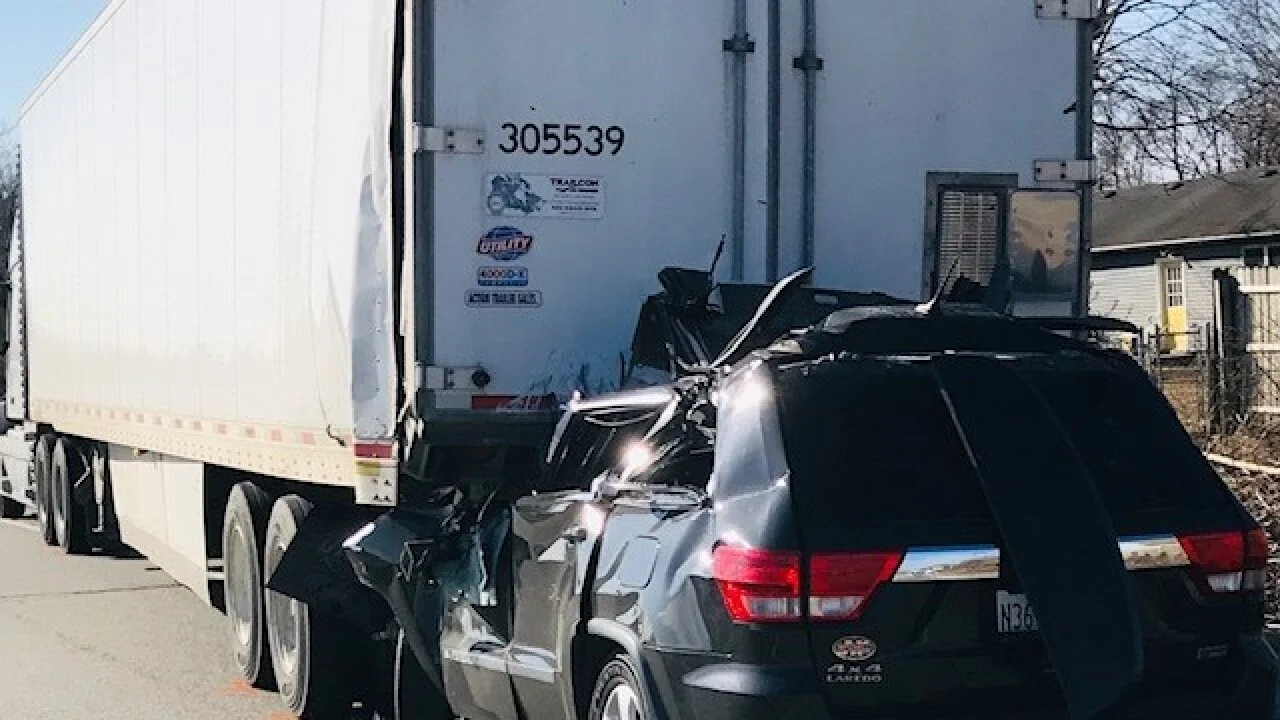
Underride truck accidents are among the most dangerous types of commercial truck crashes. An underride accident happens when a smaller passenger vehicle slides underneath the rear, side, or front area of a large truck or trailer. Because commercial trucks sit much higher off the ground than passenger vehicles, the smaller vehicle can become trapped under the truck instead of striking a normal bumper-height impact point.
This is what makes underride crashes so devastating. In many collisions, a car’s safety systems are designed to absorb impact through the bumper, frame, airbags, seat belts, and crumple zones. In an underride crash, those safety systems may be bypassed because the point of impact can occur directly at windshield, roof, or passenger-compartment level. The result can be catastrophic injuries, traumatic brain injuries, spinal cord injuries, amputations, severe crush injuries, or death.
Federal safety agencies and researchers have long recognized underride crashes as a serious danger. The Government Accountability Office has explained that an underride crash can happen when a passenger vehicle slides under a large truck and that the car’s passenger compartment can be crushed, potentially killing or severely injuring occupants.
For victims and families, an underride truck accident is not just another crash. These cases often involve severe injuries, complicated evidence, commercial trucking regulations, vehicle safety issues, insurance disputes, and multiple potentially liable parties. At Orange Law, we help injured people and families understand their rights after serious truck accidents and take steps to protect their claims.
What Is an Underride Truck Accident?
An underride truck accident occurs when a passenger vehicle moves underneath a commercial truck, trailer, or large vehicle during a collision. This can happen from the rear, side, or front of the truck. Rear underride crashes occur when a passenger vehicle strikes the back of a trailer and slides underneath it. Side underride crashes occur when a passenger vehicle slides under the side of a trailer, often during a turn, lane crossing, jackknife, or intersection crash. Front underride crashes can happen when a truck overrides or runs over part of a smaller vehicle.
The key danger is the height mismatch between the truck and the passenger vehicle. A tractor-trailer’s body or trailer floor may be much higher than the hood or bumper of a car. If the truck does not have proper underride protection, or if the protection fails, the passenger vehicle may continue moving underneath the truck until the truck body strikes the windshield, roof, or upper passenger compartment.
NHTSA’s side underride report describes side underride crashes as situations where a trailer or semitrailer intrudes into the passenger compartment of a passenger vehicle. That intrusion is what makes these accidents so deadly. The occupants may be struck at head, neck, chest, or upper-body level instead of being protected by the front structure of the car.
Underride crashes may involve tractor-trailers, semi-trucks, box trucks, delivery trucks, dump trucks, flatbeds, tankers, and other large commercial vehicles. They may occur on highways, local roads, intersections, construction zones, loading areas, and poorly lit roads.
1. Underride Truck Accidents Can Bypass Vehicle Safety Systems
One reason underride truck accidents are so dangerous is that they can bypass the passenger vehicle’s built-in safety systems. Cars are designed to manage crashes through bumper alignment, airbags, seat belts, crumple zones, and structural reinforcement. Those systems work best when the impact occurs where the vehicle was designed to absorb force.
In an underride crash, the smaller vehicle may slide under the truck instead of striking a standard bumper-height surface. This can cause the truck or trailer to enter the upper part of the vehicle, where the occupants are sitting. The roof, windshield, pillars, and passenger compartment may take the force of impact.
When this happens, airbags may not deploy as expected or may not provide enough protection. Seat belts may keep the occupant in place, but they cannot prevent the truck body from intruding into the cabin. Crumple zones may not absorb the crash properly because the impact is above the front bumper and hood structure.
This is why underride accidents can be catastrophic even at speeds that might be survivable in other types of crashes. The issue is not only speed. It is the way the impact occurs and where the force enters the vehicle.
2. Underride Crashes Often Cause Catastrophic Injuries
Underride truck accidents frequently cause severe and life-changing injuries. Because the truck or trailer may strike the upper cabin of the passenger vehicle, occupants can suffer injuries to the head, face, neck, spine, chest, and upper body.
Common injuries may include traumatic brain injuries, skull fractures, spinal cord damage, paralysis, internal bleeding, severe lacerations, crush injuries, amputations, broken bones, facial trauma, burns, organ damage, and wrongful death. Survivors may require emergency surgery, hospitalization, rehabilitation, long-term medical care, home modifications, assistive devices, and ongoing therapy.
The emotional trauma can also be severe. Victims may experience anxiety, depression, post-traumatic stress, sleep disturbance, chronic pain, and loss of independence. Families may face financial stress, caregiving responsibilities, and long-term uncertainty about recovery.
In fatal underride truck accidents, surviving family members may have wrongful death and survival claims. These cases require careful investigation because evidence can disappear quickly and trucking companies may begin defending themselves immediately after the crash.
3. Rear, Side, and Front Underride Crashes Can Happen in Different Ways
Underride truck accidents are not all the same. The type of underride crash can affect how the accident happened, what evidence matters, and who may be liable.
Rear underride crashes often happen when a passenger vehicle strikes the back of a trailer. This may occur if a truck stops suddenly, lacks proper reflective markings, has broken lights, is parked on the shoulder without warnings, or is moving slowly in traffic. Rear underride guards are intended to reduce the risk of a vehicle sliding underneath the trailer, but guard design, strength, maintenance, and crash angle can all matter.
Side underride crashes often happen when a passenger vehicle slides under the side of a trailer. These crashes can occur when a truck is turning, crossing traffic, making a U-turn, blocking lanes, jackknifing, or entering a roadway. Side underride crashes are especially concerning because federal law has historically required rear underride guards in certain situations but has not broadly required side underride guards for all trailers.
Front underride or override crashes may occur when a large truck strikes or rides over a smaller vehicle. These crashes can happen in rear-end collisions, sudden traffic slowdowns, or situations where a truck driver fails to stop in time. Truck braking distance, driver distraction, fatigue, speed, load weight, and following distance may all be important.
Each type of underride crash requires a detailed investigation. The cause may involve driver negligence, trucking company negligence, defective equipment, missing guards, poor maintenance, unsafe cargo practices, or road conditions.
4. Underride Guards May Fail or Be Missing
Underride guards are safety devices intended to reduce the chance that a passenger vehicle will slide under a trailer. Rear underride guards are sometimes called rear impact guards or Mansfield bars. Strong underride guards can help prevent a vehicle from traveling underneath the truck in certain crash scenarios.
However, underride protection is not always present, adequate, or effective. A guard may be missing, damaged, too weak, poorly maintained, improperly installed, or unable to withstand the crash forces. A guard may also fail in an offset crash where only part of the passenger vehicle strikes the guard.
The Government Accountability Office has noted that underride crashes may be underreported and that improved data collection, inspections, and research are needed. This matters because if underride crashes are not consistently identified and documented, the safety problem may be larger than official numbers suggest.
Side underride protection remains a major safety debate. NHTSA issued a report to Congress in June 2024 assessing side underride guards for trailers and semitrailers, including feasibility, benefits, costs, freight impacts, and other issues. Proposed legislation has also sought to require side underride guards on new trucks and improve research and data collection.
For an injury claim, the condition and design of underride protection can be critical. A lawyer may need to inspect the trailer, photograph the guard, review maintenance records, examine prior damage, and determine whether the guard complied with applicable standards.
5. Trucking Companies May Be Responsible for Safety Failures
An underride truck accident may be caused by more than a driver’s mistake. The trucking company may also be responsible if company practices contributed to the crash.
A trucking company may be liable for negligent hiring, poor training, unsafe scheduling, failure to maintain equipment, failure to inspect trailers, failure to repair underride guards, allowing unsafe trucks on the road, or pressuring drivers to meet unrealistic delivery deadlines. If a company ignores safety problems, it may increase the risk of a catastrophic crash. If you or a loved one has been injured because of a trucking company’s negligence, speaking with an experienced Catastrophic Crash Attorney In Houston can help you understand your legal rights and pursue the compensation you deserve.
For example, if a trailer’s lights were not working, reflective tape was missing, the truck was parked dangerously, or the rear underride guard was damaged, the trucking company’s maintenance and inspection practices may become central to the case. If the driver was fatigued, the company’s dispatch records, delivery schedule, and hours-of-service compliance may be important.
Trucking companies must follow federal and state safety rules. They must maintain vehicles, keep certain records, qualify drivers, and operate safely. When those responsibilities are ignored, injured victims and families may have claims against the company, not just the driver.
6. Underride Truck Accident Evidence Can Disappear Quickly
Evidence in underride truck accident cases can disappear fast. The truck may be repaired. The trailer may be returned to service. Electronic data may be overwritten. Dashcam video may be deleted. Drivers may leave the company. Witnesses may become harder to locate. Skid marks and debris may be cleared from the road.
Important evidence may include the truck and trailer, underride guard condition, electronic control module data, dashcam footage, GPS data, driver logs, dispatch records, maintenance records, inspection reports, repair history, cargo documents, lighting records, reflective tape condition, photographs, witness statements, police reports, and crash reconstruction evidence.
Because underride crashes often involve severe injuries or fatalities, early investigation is critical. A personal injury attorney can send a preservation letter requiring the trucking company and related parties to preserve evidence. Without early action, the trucking company may control much of the evidence while the injured person or family is still dealing with medical treatment, grief, or shock.
In serious underride cases, experts may be needed. Accident reconstruction experts, trucking safety experts, engineering experts, medical experts, and economic experts may help explain how the crash happened and what damages resulted.
7. Insurance Companies May Fight Underride Claims Aggressively
Underride truck accident claims often involve major injuries and significant damages. Because the potential claim value can be high, insurance companies may fight aggressively to reduce liability.
The trucking company’s insurer may argue that the passenger vehicle driver was following too closely, speeding, distracted, or failed to avoid the crash. It may claim that the truck was visible, that the guard complied with the law, that the crash was unavoidable, or that injuries were caused by something else. In fatal cases, the insurer may try to limit damages or dispute who has the legal right to bring a claim.
These defenses can be difficult for families to handle alone. The trucking company may have investigators, adjusters, defense lawyers, and experts working immediately after the crash. Injured victims and families need their own evidence-based response.
A strong underride truck accident claim should identify all responsible parties, preserve the truck and trailer evidence, review safety records, evaluate applicable regulations, analyze crash mechanics, calculate full damages, and challenge unfair blame.
Common Causes of Underride Truck Accidents
Underride truck accidents can happen for many reasons. Some involve negligent driving, while others involve equipment failures or company-level safety violations.
Common causes include sudden truck stops, poor visibility, broken taillights, missing reflective tape, unsafe parking, disabled trucks on the shoulder, lack of warning triangles, driver fatigue, distracted driving, speeding, unsafe lane changes, jackknifing, improper turns, failure to yield, poor trailer maintenance, defective underride guards, missing underride protection, and unsafe loading practices.
Weather and road conditions may also play a role. Rain, fog, darkness, construction zones, and poor lighting can make trucks harder to see. However, trucking companies and drivers must account for conditions and take reasonable safety precautions.
A crash should not be blamed on the victim without a full investigation. Underride cases often require technical analysis to determine whether the truck was properly equipped, visible, maintained, and operated safely.
Who Can Be Liable After an Underride Truck Accident?
Several parties may be liable after an underride truck accident. The truck driver may be responsible if careless driving caused the crash. The trucking company may be responsible if it failed to maintain the vehicle, supervise the driver, inspect the trailer, or follow safety rules.
A trailer owner may be liable if the trailer had missing, damaged, or defective safety equipment. A maintenance company may be liable if it failed to repair brakes, lights, reflectors, or underride guards. A cargo company may be liable if improper loading contributed to the crash. A manufacturer may be liable if a defective underride guard, lighting system, brake system, tire, or trailer component contributed to the accident.
In some cases, a shipper, broker, contractor, or government entity may also be involved depending on the facts. Because multiple parties may share responsibility, underride truck accident claims require careful investigation.
What Compensation May Be Available?
Compensation in an underride truck accident case depends on the facts, injuries, liability, insurance coverage, and long-term impact. Victims may be able to recover compensation for emergency medical care, hospital bills, surgeries, rehabilitation, future medical treatment, lost wages, loss of earning capacity, pain and suffering, physical impairment, disfigurement, mental anguish, property damage, and other losses.
If the crash caused death, surviving family members may be able to pursue wrongful death damages. These may include funeral expenses, loss of financial support, loss of companionship, mental anguish, and other damages available under state law.
Because underride crashes can cause catastrophic injuries or fatalities, settlement value should not be evaluated too quickly. Victims and families should understand the full medical, financial, and emotional impact before accepting an insurance offer.
What to Do After an Underride Truck Accident
After an underride truck accident, call 911 and seek medical attention immediately. If possible, take photos and videos of the scene, vehicles, truck, trailer, underride guard, lighting, reflective tape, road conditions, skid marks, debris, license plates, company markings, and injuries.
Get witness contact information if you can. Do not give a recorded statement to the trucking company’s insurer before speaking with a lawyer. Do not accept a quick settlement. Do not sign broad medical authorizations or releases without legal review.
Preserve your own evidence, including photos, medical records, repair estimates, damaged vehicle information, and communications from insurers. If a loved one died in the crash, speak with an attorney as soon as possible so evidence can be preserved before the truck or trailer is repaired or moved.
Frequently Asked Questions About Underride Truck Accidents
What is an underride truck accident?
An underride truck accident happens when a passenger vehicle slides underneath a large truck, trailer, or commercial vehicle. These crashes can crush the passenger compartment and cause catastrophic or fatal injuries.
Why are underride truck accidents so dangerous?
They are dangerous because the truck can enter the upper part of the passenger vehicle, bypassing airbags, bumpers, crumple zones, and other safety systems. This can expose occupants to direct impact.
Are rear underride guards required?
Federal rules require rear impact guards on many trailers, but the details depend on the type of vehicle, trailer, and applicable regulations. Whether a guard complied with the law or failed in the crash may require expert review.
Are side underride guards required?
There has been significant debate over side underride guards. NHTSA has studied side underride protection, and legislation has been proposed to require side guards on new trucks, but federal requirements have historically been more limited for side underride protection than rear guards.
Can a trucking company be liable for an underride crash?
Yes. A trucking company may be liable if negligent driving, poor maintenance, unsafe scheduling, missing safety equipment, damaged guards, poor inspections, or other company failures contributed to the crash.
What evidence matters most in an underride case?
Important evidence may include the truck and trailer, underride guard, electronic data, dashcam footage, driver logs, maintenance records, inspection reports, lighting and reflective tape condition, witness statements, and crash reconstruction evidence.
What if the insurance company blames the car driver?
Insurance companies often try to shift blame. Fault should be based on evidence, not assumptions. A full investigation may show that the truck driver, trucking company, or another party caused or contributed to the crash.
How long do I have to file an underride truck accident claim?
Deadlines depend on the state and facts of the case. In many personal injury cases, the deadline may be two years, but some claims have shorter notice requirements. Speak with an attorney quickly to protect your rights.
Can families file a wrongful death claim after a fatal underride crash?
Yes, surviving family members may have wrongful death and survival claims depending on state law. These cases should be investigated quickly because trucking evidence can disappear.
Do I need a lawyer for an underride truck accident claim?
Underride truck accident cases are complex and often involve catastrophic injuries, commercial trucking rules, technical evidence, multiple parties, and aggressive insurers. A lawyer can help preserve evidence, investigate liability, and pursue compensation.
Final Takeaway
Underride truck accidents are especially dangerous because a passenger vehicle can slide under a large truck or trailer, causing the truck structure to crush the passenger compartment. These crashes can bypass normal vehicle safety systems and lead to devastating injuries or death.
Victims and families should not treat underride cases like ordinary car accident claims. These cases require immediate evidence preservation, detailed truck and trailer inspection, review of safety records, analysis of underride protection, and careful identification of all liable parties.
If you or a loved one was harmed in an underride truck accident, early legal help can make a major difference.
A Catastrophic Crash in Fort Bend County involving an underride collision can leave victims facing life-changing injuries, making prompt legal guidance and a comprehensive investigation critical from the very beginning.
Call Orange Law After an Underride Truck Accident
If you or a loved one was injured in a rear underride crash, side underride crash, 18-wheeler accident, semi-truck collision, or fatal commercial truck accident, Orange Law can help you understand your rights and next steps.
Our team can investigate the crash, preserve critical evidence, review trucking company records, evaluate underride guard issues, deal with insurance companies, and fight for the compensation you deserve.
Contact Orange Law today to speak with a personal injury attorney about your underride truck accident claim.