
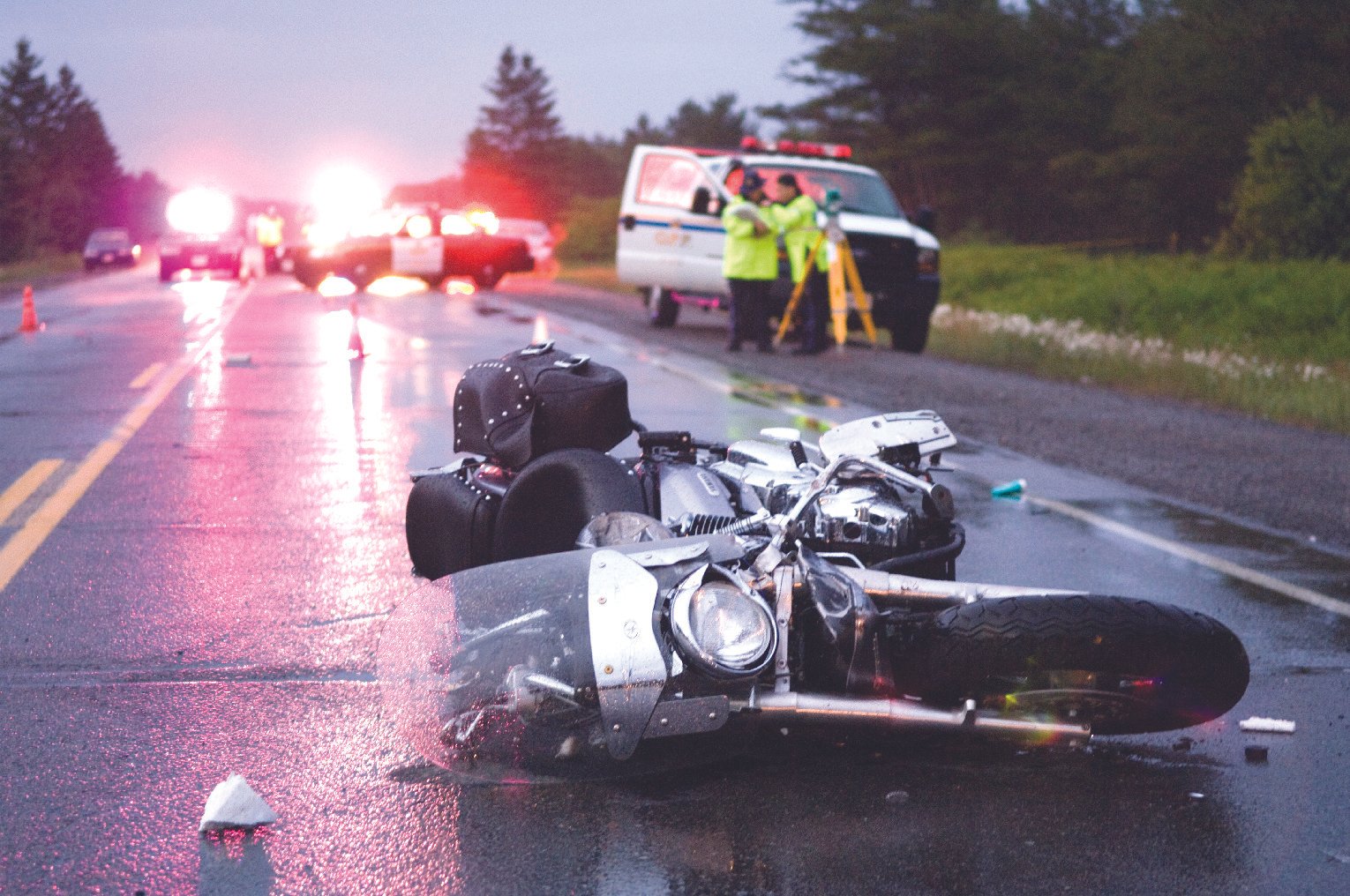
Motorcycle Accident Injuries: Why Riders Face Serious Risks
Motorcycle accident injuries are often more severe than injuries from regular car accidents because riders do not have the same physical protection as people inside passenger vehicles. A motorcycle does not have a steel frame, airbags, seat belts, or a protected cabin. When a rider is hit by a car, truck, SUV, or commercial vehicle, the rider may be thrown from the motorcycle, struck by another vehicle, or forced onto the pavement.
Even a low-speed motorcycle crash can cause serious harm. Riders may suffer broken bones, head injuries, spinal injuries, road rash, internal injuries, and long-term pain. In many cases, motorcycle accident victims need emergency medical treatment, surgery, physical therapy, and time away from work.
Insurance companies may try to minimize motorcycle injury claims by arguing that the rider accepted the risk of injury simply by riding a motorcycle. That is not fair. Motorcyclists have the same right to use the road as other drivers. If another driver caused the crash, the injured rider may be entitled to compensation.
1. Traumatic Brain Injuries
Traumatic brain injuries are among the most serious motorcycle accident injuries. A rider can suffer a concussion, skull fracture, brain bleed, or permanent brain damage if their head hits the pavement, another vehicle, or a fixed object.
Symptoms may include headaches, confusion, memory problems, dizziness, nausea, mood changes, blurred vision, sleep problems, or difficulty concentrating. Some brain injuries are obvious right away, while others become worse over time.
Brain injuries can affect a person’s ability to work, drive, communicate, and live independently. Compensation may include emergency care, neurological treatment, future medical expenses, lost income, pain and suffering, and reduced earning capacity.
2. Spinal Cord and Back Injuries
Motorcycle crashes can cause serious back and spinal cord injuries. These may include herniated discs, fractured vertebrae, nerve damage, chronic back pain, or paralysis. A spinal injury can change every part of a person’s life.
Some victims need surgery, injections, long-term therapy, mobility devices, or home modifications. A person who worked a physical job may be unable to return to the same occupation. For that reason, compensation should consider not only current medical bills but also future care and loss of earning ability.
3. Broken Bones and Fractures
Broken bones are common after motorcycle crashes. Riders may suffer fractures in the arms, wrists, hands, legs, ankles, ribs, pelvis, collarbone, or face. Some fractures heal with casting and rest, while others require surgery, plates, screws, or rods.
A broken bone can still be a serious injury. It may lead to missed work, permanent weakness, chronic pain, limited range of motion, or arthritis. Insurance companies may try to call a fracture a “simple injury,” but the real impact depends on the victim’s medical recovery and daily limitations.
4. Road Rash and Severe Skin Injuries
Road rash happens when a rider slides across pavement. Severe road rash is more than a scrape. It can remove layers of skin, damage nerves, cause infection, and leave permanent scarring.
Some road rash injuries require skin grafting, wound care, or reconstructive treatment. Victims may also suffer emotional distress from visible scarring or disfigurement. Compensation may include medical treatment, pain and suffering, permanent scarring, and future cosmetic or reconstructive care.
5. Internal Injuries
Motorcycle crashes can cause internal bleeding, organ damage, collapsed lungs, abdominal trauma, or other life-threatening injuries. These injuries may not always be visible immediately after the crash.
That is why medical evaluation is critical after a motorcycle accident. A rider may feel sore but not realize they have internal trauma. Delayed treatment can be dangerous and may also give the insurance company an excuse to dispute the claim.
6. Neck and Shoulder Injuries
Motorcycle accident victims often suffer neck and shoulder injuries. These may include whiplash, torn ligaments, rotator cuff injuries, nerve compression, or dislocations. These injuries can make it difficult to work, lift objects, sleep, or perform normal daily activities.
Shoulder and neck injuries may require imaging, therapy, injections, or surgery. Victims should follow medical advice and document symptoms carefully because insurance companies often try to minimize soft tissue injuries.
7. Emotional Trauma After a Motorcycle Crash
Motorcycle accidents can cause emotional injuries as well as physical injuries. Victims may experience anxiety, depression, nightmares, fear of riding again, or post-traumatic stress. These symptoms are real and can affect work, relationships, sleep, and quality of life.
Emotional trauma should not be ignored. Treatment may include counseling, medication, therapy, or other support. In a personal injury claim, mental anguish and emotional distress may be part of the damages.
What Compensation May Be Available?
Motorcycle accident compensation may include medical expenses, future medical care, lost wages, loss of earning capacity, pain and suffering, physical impairment, disfigurement, property damage, and emotional distress. If the accident caused death, surviving family members may have a wrongful death claim.
In Texas, many personal injury claims must be filed within two years of the injury date, though deadlines can vary depending on the facts.
What Injured Riders Should Do After a Crash
After a motorcycle accident, get medical care immediately. Report the crash, take photos if possible, gather witness information, preserve your helmet and damaged gear, and avoid giving a recorded statement to the insurance company before speaking with an attorney.
The insurance company may try to blame the rider, minimize the injuries, or offer a quick settlement before the full medical picture is clear. Do not settle until you understand your long-term damages.
Frequently Asked Questions
What are the most common motorcycle accident injuries?
Common injuries include brain injuries, spinal injuries, broken bones, road rash, internal injuries, neck injuries, shoulder injuries, and emotional trauma.
Can I recover compensation if I was partly at fault?
It depends on state law and your percentage of fault. Insurance companies often try to blame riders, so fault should be carefully investigated.
Should I see a doctor even if I feel okay?
Yes. Some injuries do not show symptoms right away. Medical records also help connect your injuries to the crash.
Can I recover compensation for road rash?
Yes. Severe road rash can require medical treatment and may cause scarring, infection, nerve damage, or disfigurement.
Should I accept the insurance company’s first offer?
Usually, you should be cautious. Early offers may not include future medical treatment, lost income, or long-term pain.
Call Orange Law After a Motorcycle Accident
If you were injured in a motorcycle accident, Orange Law can help you understand your rights, deal with the insurance company, and pursue compensation for your injuries.
Contact Orange Law today to speak with a personal injury attorney about your motorcycle accident claim.