

The emergence of self-driving cars has introduced a whole new level of convenience, but it also raises some tricky legal questions. Here at Orange Law, a Houston law firm dedicated to justice and fairness for those injured on our roads, we want to help you navigate the ins and outs of “Waymo Accident Liability.” If you or a loved one has been involved in an accident with a Waymo vehicle, you deserve clear answers, support, and expert guidance.
It’s important to remember that just because a car has autopilot features, it doesn’t mean that fault is automatically assigned. Even with advanced sensors and AI technology, accidents involving autonomous vehicles can still lead to serious injuries. In this blog, we’ll break down in straightforward terms who might be held responsible if a Waymo car is in a crash, how liability is assessed, and what steps you should take—especially if you’re in the Houston area and in need of experienced Personal Injury Lawyers.
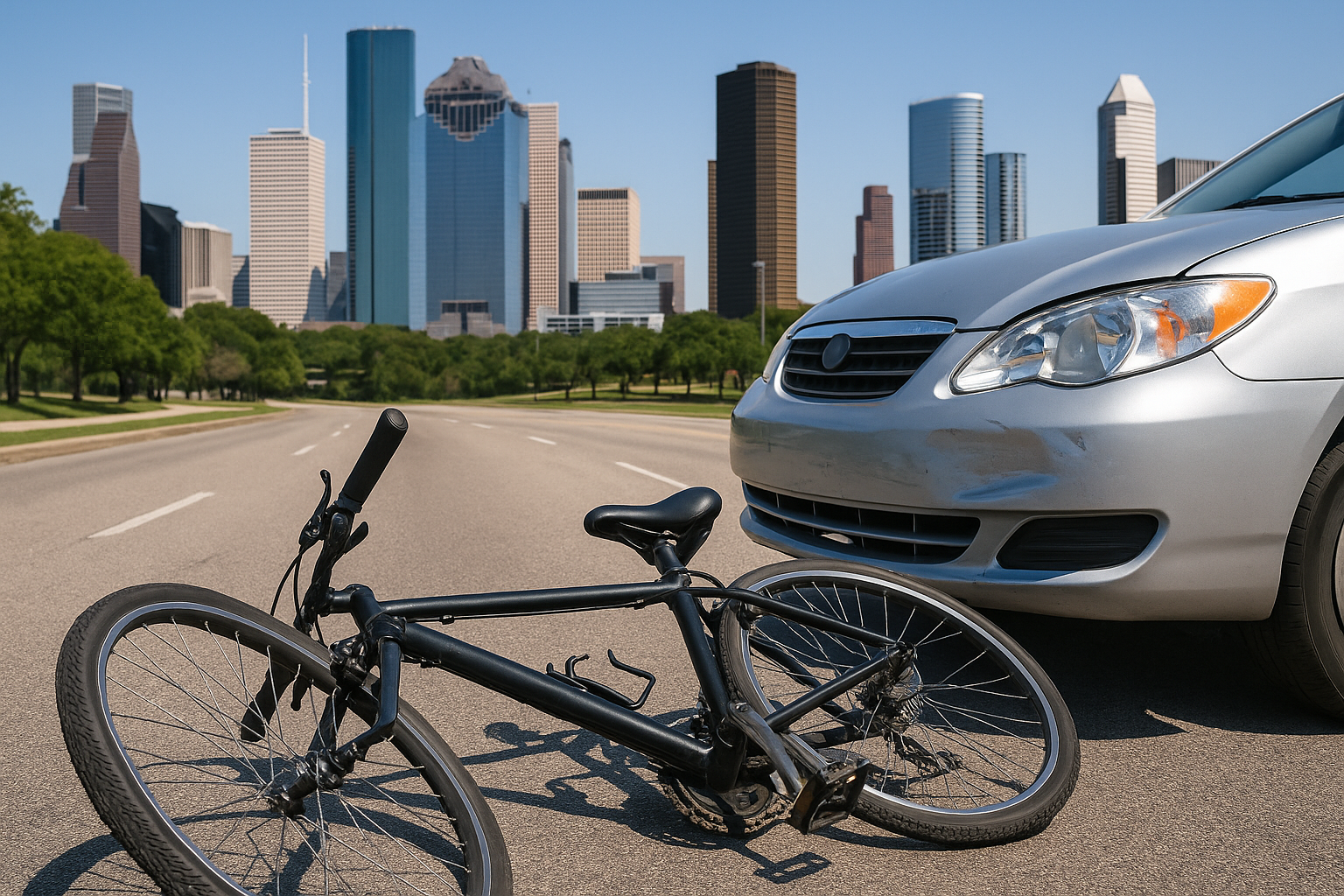
Why Waymo Changes More Than the Way We Drive
Waymo, the self-driving arm of Alphabet, has rolled out its autonomous vehicles in various U.S. cities, providing ride-hailing services without a human behind the wheel. This advancement holds incredible potential: safer roads, a reduction in crashes caused by alcohol or distractions, and added convenience for riders. However, it also brings up a tricky legal issue: when there’s no human “driver,” who takes the blame if something goes awry?
In traditional car accidents, human error is usually the culprit, but self-driving cars depend on a complex web of software, hardware, sensors, remote monitoring, and even human oversight during their testing phases. This intricate setup opens the door to numerous possible points of failure, and consequently, many parties that could be held accountable for an accident.
That’s why figuring out “Waymo Accident Liability” isn’t just about blaming the vehicle; it requires a thorough examination of every component: from the software code and sensor functionality to maintenance logs, data records, oversight practices, and even the conditions of the roads themselves.
For residents in the Houston area trying to make sense of this new landscape, having a law firm that understands the technical aspects, has litigation experience, and shows genuine care for those who have been injured is absolutely crucial.
How Liability in a Waymo Crash Works
While autonomous vehicles might feel like something out of a sci-fi movie, the way we handle accidents involving them is pretty similar to how we deal with traditional car crashes. In places like Texas, these incidents are still subject to the same legal principles, including negligence laws, fault-based insurance systems, and, when applicable, product liability laws.
When a Waymo vehicle gets into an accident, there are a few different parties that could be held responsible, depending on the situation:
- Waymo itself could be liable if a software or hardware issue (like sensors, cameras, LIDAR, or AI decision-making) led to the crash.
- The vehicle’s manufacturer (or the maker of its parts) might be at fault if a mechanical problem (such as brakes, steering, or a manufacturing defect) played a role in the accident.
- A human safety driver or remote operator could be responsible if they were overseeing the vehicle (during testing or in supervision mode) and didn’t act as they should have.
Additionally, other drivers could be involved—if another driver’s negligence caused or contributed to the crash, and the autonomous system either helped or made things worse by how it reacted.
Lastly, government entities or municipalities might share some blame if poor road conditions, badly maintained signs, or faulty traffic controls were factors in the accident.
So, figuring out who’s liable isn’t always straightforward. Each crash involving a Waymo vehicle calls for a thorough, data-driven investigation to pinpoint who should be held accountable.
When Waymo Is Likely to Be Liable
There are a few situations where a Waymo vehicle, or the person operating it, could be held accountable:
If the autonomous driving system misinterprets its surroundings, misses spotting a pedestrian or cyclist, or makes a risky choice—like not yielding, tailgating, or turning into oncoming traffic—those mistakes could lead to a negligence or product liability claim.
If there’s a flaw in the vehicle’s hardware—say, defective brakes, steering issues, or assembly problems—that causes the car to malfunction, then the manufacturer (or the maker of the faulty part) might share some of the blame.
If the company didn’t maintain the vehicle properly, failed to install necessary software updates, or ignored safety protocols—especially after being aware of system defects or previous complaints—that could also lead to claims against Waymo under negligence or product liability laws.
During a testing phase, if there was a human safety driver or remote operator who should have stepped in but didn’t, that person (or their employer) could be held partially or fully responsible.
Lastly, even if the Waymo vehicle was functioning correctly, if another driver’s reckless or careless actions caused the accident, that driver might be liable.
Why Waymo Accident Claims Are Often Complex
Figuring out “Waymo Accident Liability” can be trickier than dealing with regular car accidents. One major reason for this is the involvement of various systems, parties, and layers of responsibility.
To start, the technology itself adds a layer of complexity. Autonomous vehicles churn out a huge amount of data — think sensor logs from cameras, LIDAR, and radar, along with decision-making records, map data, and AI responses. While this information can be incredibly precise and useful, digging it up and making sense of it often requires some serious technical know-how — and sometimes even legal tools like subpoenas.
Next, liability can be a shared affair among several parties. The cause of an accident might stem from a software glitch, a faulty mechanical part, poor maintenance, or even human error (like a remote operator messing up). This makes it tough to pinpoint exactly who is responsible and to what extent, turning it into a highly technical and legally complex situation.
Moreover, since the technology and regulations surrounding autonomous vehicles are still relatively new, there’s not a lot of case law or precedent to lean on. This uncertainty can spark disputes, lead to aggressive liability defenses, and create legal arguments from all sides about whether the autonomous system acted “reasonably” given the circumstances.
Lastly, when it comes to insurance — since autonomous vehicles don’t fit neatly into the traditional “driver at fault” model — insurance companies and fleet operators might push back on liability more fiercely. They could argue that the other driver was to blame, that the crash was unavoidable, or that the sensors did their job correctly. This is why having experienced Personal Injury Lawyers on your side is crucial if you want to secure fair compensation.
The Case for Autonomous Vehicles — But Not at the Expense of Accountability
It’s important to highlight that autonomous driving — like Waymo’s ride-only service — has been shown to cut down on certain types of accidents compared to cars driven by humans. For instance, a peer-reviewed study that compared miles driven by autonomous vehicles to those driven by people found a notable decrease in both injury-related crashes and property damage incidents for the self-driving cars.
In simpler terms, when everything functions as it should, self-driving cars could be safer than regular vehicles. However, just because they have the potential to be safer doesn’t mean they’re always safe — and when things go awry, the outcomes can still be quite serious.
That’s why it’s risky to label every crash involving autonomous vehicles as “inevitably low risk” and to skip thorough investigations. For those who suffer injuries, this mindset can lead to lost evidence, delayed justice, and inadequate compensation.
At Orange Law, we stand for both innovation and accountability. Self-driving cars shouldn’t be exempt from scrutiny — and victims of accidents deserve to receive fair and complete compensation when lives are affected or harmed.
What To Do If You’re Involved in a Waymo Crash — Especially in Houston
If you’ve found yourself in an accident involving a Waymo vehicle—whether you were behind the wheel of another car, walking, biking, or even riding in a Waymo—here’s a step-by-step guide on what to do next:
First and foremost, get medical attention right away. Even injuries that seem minor can escalate over time, so it’s crucial to document everything—your injuries, the treatment you receive, and how it affects your daily life.
Next, gather as much evidence as possible. Snap photos of the scene, collect contact details from any witnesses, and if there are other vehicles involved, make sure to jot down their license plate numbers and any other identifying information. If there’s dash-cam or phone footage, grab that too!
Then, reach out to a qualified attorney who specializes in autonomous vehicle liability. Waymo accidents can be tricky, often involving complex technical details like sensor logs, AI decision-making data, and maintenance records. You’ll want a lawyer who knows how to handle all that.
Also, be cautious about giving recorded statements to insurance companies, including Waymo’s insurer, until you’ve had a chance to talk to a lawyer. After a Waymo crash, insurers might rush to limit their liability or cut down on payouts.
Lastly, don’t delay. Statutes of limitations—deadlines for filing a lawsuit—are still in effect. Waiting too long could put your chances of getting compensation at risk.
Why Houston Victims Need a Local Partner — Not Just an Out-of-State Firm
You might come across firms promoting “Waymo crash help” in places like California or New York, but if you’ve been injured in or around Houston, it’s crucial to have local representation. Laws, standards of negligence, and insurance practices can differ significantly from state to state. A local firm such as Orange Law knows the ins and outs of Houston’s legal landscape and can collaborate with local experts—like accident reconstructionists, medical professionals, and regional investigators—to build a solid case for you.
Additionally, even if Waymo isn’t fully operational in Houston just yet, self-driving litigation is a nationwide issue. Autonomous fleets could expand, or a Waymo vehicle from another state might be involved in an accident affecting a Houston resident. In those situations, you’ll want attorneys who are well-versed in both the technology and the local legal framework.
The Role of Personal Injury Lawyers in Navigating Waymo Claims
At its heart, going after a Waymo accident claim isn’t just about assigning blame — it’s about piecing together a solid case that clearly shows what went wrong. This means diving into digital data, looking into maintenance and software records, consulting with experts, working alongside medical providers, and ensuring that all insurance and legal deadlines are met.
A skilled personal injury law firm stands by your side throughout the entire process: gathering evidence, negotiating with insurance companies, disputing liability claims, and — if needed — taking the matter to court. Given the unique technical and legal challenges at play, teaming up with attorneys who have a background in both personal injury law and autonomous vehicle cases can truly make a difference.
When Waymo Isn’t to Blame — Shared Fault and Comparative Negligence
Not every accident involving Waymo automatically means they’re at fault. Sometimes, it’s another driver’s reckless or careless behavior that leads to the crash. Other times, it could be due to road hazards, poor maintenance, or unexpected obstacles like construction debris, unclear signs, or faulty traffic signals—factors that are completely out of Waymo’s hands. In these cases, liability can be shared among parties involved.
Different states have varying rules: some use “comparative fault,” which means compensation can be reduced based on how much each party is to blame, while others might not allow recovery at all if the victim is found to be significantly at fault. This is why having a knowledgeable lawyer by your side is crucial; they can help ensure you get the fair compensation you deserve, especially if you were injured through no fault of your own.
The Importance of Data, Transparency, and Accountability
One of the toughest hurdles in dealing with Waymo-related claims is getting hold of the data that autonomous vehicles collect. When it comes to crash reconstruction, it often depends on accessing sensor logs, decision-making records, LIDAR data, braking history, and system overrides. Unfortunately, these crucial records are usually kept under wraps by Waymo or its insurers.
That’s why victims and their attorneys often have to turn to legal measures—like subpoenas—to get their hands on this data. And once they do, they face the challenge of making sense of those technical logs in a way that a jury or judge can grasp. This task demands a blend of technical know-how and legal expertise.
Without transparency, there’s a genuine risk that injuries caused by malfunctioning autonomous systems might never be addressed. This is why it’s so important for victims to have a law firm that not only pushes for transparency but also knows how to advocate for it effectively.
What Recent Research Says (and What It Doesn’t)
There’s a good chance that autonomous vehicles, like those from Waymo, could help cut down on certain types of accidents. A recent peer-reviewed study compared the miles driven by autonomous vehicles with those driven by humans and found that the crash rates for the autonomous ones were significantly lower, including fewer incidents involving property damage and injuries.
However, just because the overall crash rates are lower doesn’t mean the risk is completely gone. When accidents do happen, they can still be quite dangerous, especially for vulnerable road users such as pedestrians and cyclists. Plus, since autonomous vehicles depend on intricate technical systems, the outcomes of any failures can be hard to predict.
Additionally, having a statistical edge doesn’t ensure safety for every single ride. Liability for any given crash hinges on the specific circumstances, and proving who’s at fault still requires thorough investigation and legal proceedings.
So, while the idea of autonomous driving suggests safer roads on average, we must be careful not to use that promise as a way to dodge responsibility in particular cases.
Why You Should Talk to Orange Law If You’re Injured in a Waymo Crash
If you or someone you care about has been hurt in a crash involving Waymo — whether you were a passenger, a pedestrian, a cyclist, or driving another vehicle — you deserve strong legal representation. At Orange Law, we’re dedicated to safeguarding your rights and fighting for full compensation for your medical expenses, lost wages, pain and suffering, and more.
We know that facing a big company like Waymo or a tough insurance company can be overwhelming. That’s why we provide personalized support, experienced advocacy, and a promise to hold everyone accountable — whether it’s Waymo, a car manufacturer, a parts supplier, another driver, or even a government agency responsible for road upkeep or signals.
We stand for transparency, justice, and advocating for those who are injured — and we blend that commitment with legal expertise and insight to help Texans secure the compensation they rightfully deserve.
FAQs About Waymo Accidents and Liability
Q: If a Waymo car crashes and injures me, does that mean Waymo is automatically responsible?
A: Not necessarily. Determining liability hinges on what exactly caused the crash. It could be due to a software glitch, a hardware issue, sensor malfunction, lack of maintenance, another driver’s carelessness, or even the state of the road. Each situation needs a thorough investigation before we can figure out who’s at fault.
Q: Can I take legal action against Waymo even if their vehicle wasn’t in “driver-only” mode (like if there was a safety driver)?
A: Absolutely. If there was a human safety driver or a remote operator who didn’t step in when they should have, that person—or their employer—might share some of the blame.
Q: What types of evidence are crucial in a Waymo accident case?
A: Important evidence includes sensor logs (like LIDAR, radar, and camera data), records of software decisions, maintenance logs, vehicle repair histories, video footage, police reports, crash scene photos, and witness statements. All of these can be vital in building your case.
Q: Does the use of autonomous technology lead to fewer injuries overall?
A: Generally speaking, data indicates that autonomous systems like Waymo’s tend to have lower crash and injury rates compared to human-driven vehicles across large fleets and extensive mileage. However, this doesn’t completely eliminate risk, and each incident needs to be assessed on its own merits.
Q: What if the other driver was the one who caused the crash (not Waymo)?
A: In that case, you might have a claim against that driver. Liability could be shared, and how much compensation you receive may depend on the rules regarding comparative fault.
Q: Are claims against Waymo treated differently than regular car accident claims?
A: Yes, they are. Due to the technical complexities and the possibility of multiple parties being liable, claims involving Waymo accidents often require more in-depth investigation, expert analysis, and sometimes subpoenas to gather necessary data—making it especially important to have legal representation.
Q: If I live in Houston, can I still file a claim if the Waymo vehicle was from another city?
A: It’s possible. While local laws can differ,
Your Next Step: Talk to Orange Law Today
If you think you’ve been hurt in a Waymo accident or are curious about whether you have a solid claim, you don’t have to go through this by yourself. At Orange Law, we blend empathy, technical know-how, and legal expertise to help you seek the justice you deserve.
Don’t put it off until it’s too late. Reach out to Orange Law today for a private consultation. We’re here to be your advocates, your guides, and your voice—because every victim deserves proper representation, accountability, and the opportunity for full compensation.
📞 Phone: (713) 885-9787
🌐 Website: https://orangelaw.us
📧 Email: contact@orangelaw.us